🎧 Listen to the Episode
Episode Summary
What does it take to turn personal caregiving experience into lasting healthcare change?
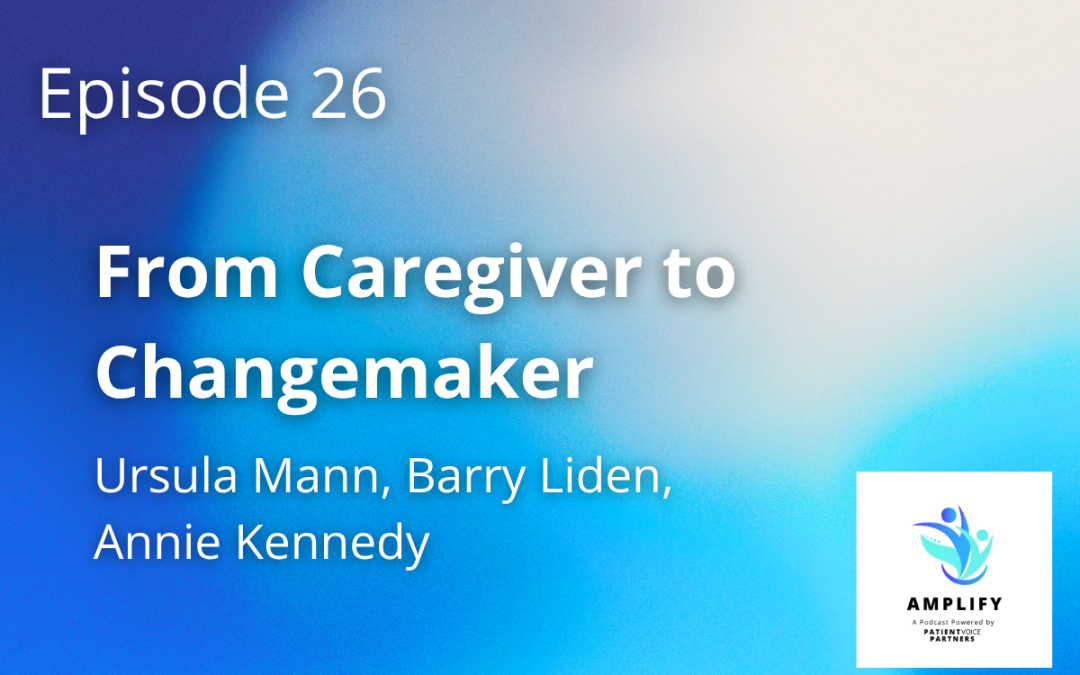
In this episode of Amplify: Elevating Patient Voices, Ursula Mann and co-host Barry Liden welcome Annie Kennedy, Chief Mission Officer of the EveryLife Foundation for Rare Diseases and one of the leading voices in rare disease advocacy and policy.
Annie shares her journey from aspiring physician to caregiver after a loved one was diagnosed with an ultra-rare and aggressive cancer. That experience exposed the gaps in healthcare systems for rare disease patients and families, inspiring her to dedicate her career to advocacy and policy change.
The conversation explores the evolution of rare disease advocacy, the creation of patient-centered policies, the importance of patient experience data, and how caregivers and patient communities can influence decisions that shape research, clinical trials, regulatory reviews, and access to treatments. Annie also discusses the work of the EveryLife Foundation and why empowering patients and caregivers to engage in advocacy remains essential for driving meaningful change.
Why You Should Liste
If you are a patient, caregiver, advocate, healthcare professional, policymaker, or anyone interested in how healthcare systems evolve, this episode offers valuable insights into how real-world experiences can influence national policy and improve outcomes for entire communities.
You’ll learn:
- How caregiving experiences can become catalysts for large-scale change
- Why rare disease communities have led many of the advances in patient-centered healthcare
- What patient experience data is and why it matters
- How advocacy efforts helped shape the 21st Century Cures Act
- Why collaboration between patients, advocates, researchers, industry, and regulators is critical
- How individuals can become effective advocates regardless of their background
Episode Highlights
-
04:16 – Annie shares how a loved one’s rare cancer diagnosis changed her career path from medicine to caregiving and advocacy.
-
07:49 – Discovering that many rare disease families weren’t facing a broken system—but a system that simply didn’t exist.
-
10:38 – Annie’s advice to caregivers: give yourself grace and permission to learn as you go.
-
12:36 – The mindset that fueled her advocacy work: “It’s our table.”
-
14:34 – How Annie helped introduce advocacy efforts within the Muscular Dystrophy Association.
-
17:23 – The origins of patient-focused drug development and efforts to ensure patient voices influence regulatory decisions.
-
18:48 – How the Patient-Focused Impact Assessment Act became part of the 21st Century Cures Act.
-
19:44 – What patient experience data means and why it plays a critical role in healthcare decision-making.
-
22:37 – Annie explains patient preference studies and how they help determine meaningful treatment benefits and acceptable risks.
-
25:14 – The mission of the EveryLife Foundation and its work to advance evidence-based rare disease policy.
-
27:36 – Findings from the National Economic Burden of Rare Disease Study and what they reveal about the financial realities faced by families.
-
29:33 – Annie reflects on the accomplishments she’s most proud of, including developing future generations of patient advocates.
-
31:17 – A personal glimpse into life outside advocacy as Annie shares what it’s like being the mom of a teenager preparing for college.
Links
- Learn more about EveryLife Foundation for Rare Diseases
https://everylifefoundation.org/ - Learn more about Patient Voice Partners
https://patientvoicepartners.com/ - Connect with Patient Voice Partners on LinkedIn
https://www.linkedin.com/company/patient-voice-partners/ - Listen to more Amplify episodes
https://patientvoicepartners.com/podcast/ - Interested in sharing your story or becoming a guest?
https://patientvoicepartners.com/contact/
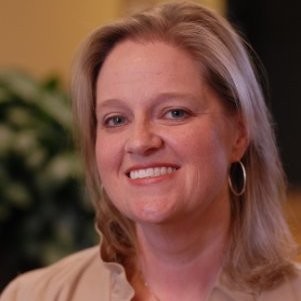
Annie Kennedy
CMO of EveryLife Foundation for Rare Diseases
Medical Disclaimer:
The content shared on Amplify is for informational and educational purposes only.
Nothing discussed on this podcast—including stories, experiences, perspectives, or commentary from hosts, guests, or contributors—should be interpreted as medical advice, diagnosis, or treatment recommendations.
Always seek the guidance of your physician or other licensed provider with any questions regarding your health, medical conditions, or treatment options.