🎧 Listen to the Episode
Episode Summary
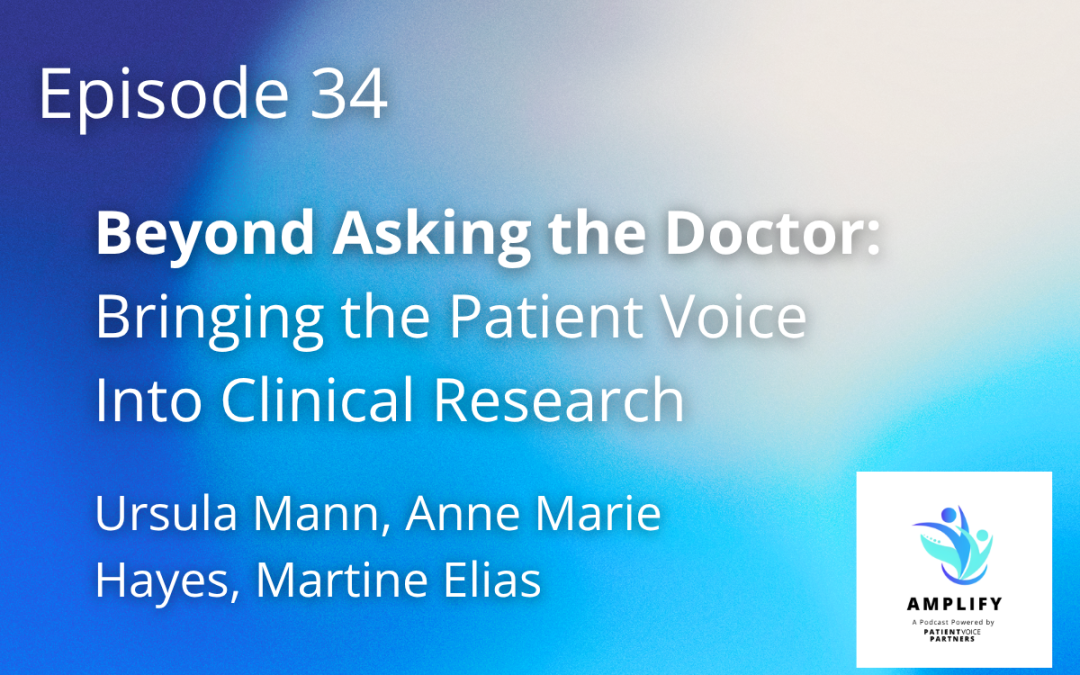
Who gets to define what matters to patients in clinical research? Martine Elias, CEO of Myeloma Canada, joins Ursula Mann and Anne Marie Hayes to explore why meaningful patient involvement must go beyond asking doctors what patients want. From clinical trial design and treatment side effects to access barriers and research priorities, Martine shares how patient organizations connect people, challenge assumptions, and turn lived experience into action.
Episode Highlights
- 02:56 — From saving whales to advocating for patients: Martine’s unexpected journey into clinical research and patient advocacy.
- 04:48 — Taking advocacy to the source: Connecting with international decision-makers to influence research and drug development.
- 06:00 — Beyond asking the doctor: The conversation that fuelled Martine’s commitment to listening directly to patients.
- 09:41 — Breaking down silos: Bringing people together to address MRD testing and access in everyday care.
- 13:01 — Meaningful engagement in trial design: Involving patients in treatment development and data collection decisions.
- 14:42 — Outcomes that matter to patients: Considering sampling burden, side effects and quality of life.
- 15:18 — Patients shaping innovation: Advocates contributing to wearable-device selection and testing.
- 17:12 — Collaboration across cancers: Addressing shared policy and treatment-access barriers.
- 24:07 — Building an advocacy community: Helping individual advocates connect, learn and strengthen their influence.
- 27:57 — Listening and empowering: Martine’s approach to leadership and calculated risks.
- 31:32 — Diverse voices in research: Turning commitments to representation into action.
- 32:08 — Patient priorities guiding research: Research investment, partnerships and academic CAR-T opportunities.
- 35:40 — Personalizing patient education: Adapting information to different learning needs.
- 37:18 — Connection beyond work: Finding community through a book club.
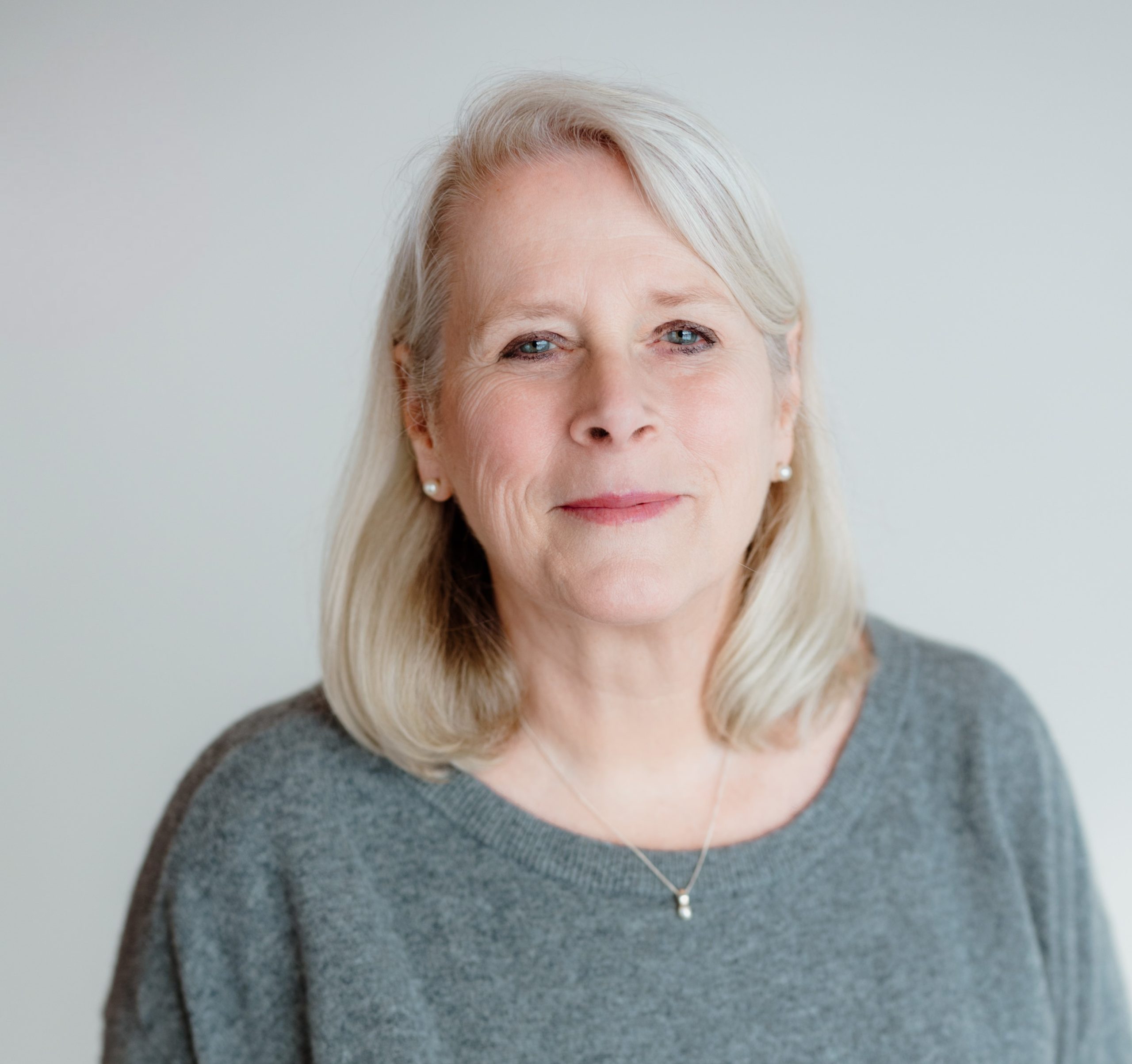
Martine Elias
CEO at Myeloma Canada | Myélome Canada
Martine Elias is the CEO at Myeloma Canada, the only patient-driven, grassroots organization bringing the Canadian myeloma community together and promoting a strong, unified national voice for people living with multiple myeloma. In addition, Martine is the Co-Chair of the Collective Oncology Network for Exchange, Cancer Care Innovation, Treatment Access and Education (CONECTed), a Canadian based organisation. In 2019 Martine was one of three patient representatives on the PMPRB Guideline Development Steering committee. Martine believes intentional collaboration is key to evolving the knowledge of myeloma for the betterment of patients. In February 2020 she was invited to join the International Myeloma Foundation Board of directors and more recently she was appointed Chair to their Governance and Nominating Committee. She also serves to represent Canada on the Myeloma Patient Europe Community Advisory Board since 2019 where patient advocates address key challenges patients face in accessing diagnosis, monitoring, treatment, care and clinical trial at an international level.
Martine started her career in clinical research in the pharmaceutical industry and has since dedicated her professional life to patient advocacy, empowering the patient voice, and helping patients gain access to essential medical treatments. She is passionate about ensuring that the patient voice is included in all aspects of health policy decisions.
Previously, Martine was Director Access, Advocacy and Community Relations at Myeloma Canada where she developed, led and executed all advocacy strategies and programs.
Prior to that Martine held roles as National Director of Community Relations at Janssen Inc., and Market Access and Health Economics team leader at GSK.
Disclaimer:
The views and opinions expressed by guests on Amplify are their own and do not necessarily reflect those of the podcast, its hosts, Patient Voice Partners, or its affiliates.
Medical Disclaimer:
The content shared on Amplify is for informational and educational purposes only.
Nothing discussed on this podcast—including stories, experiences, perspectives, or commentary from hosts, guests, or contributors—should be interpreted as medical advice, diagnosis, or treatment recommendations.
Always seek the guidance of your physician or other licensed provider with any questions regarding your health, medical conditions, or treatment options.